1. Homepage
  2. Events
  3. Testimonials
  4. Galleries
  5. Who we work with
  6. News

Agenda

“ ”

The 7th UK CCUS & Hydrogen Decarbonisation Summit will focus on the implementation of 
CCS & CCUS within industrial operations and how hydrogen can decarbonise industry and 
transport. The summit will bring together 750+ government officials, regulators, key industry 
stake holders, leading academia, and service companies. This will be accompanied alongside a 
side exhibition of 60+ exhibitors showcasing innovative CCUS and hydrogen technologies and 
services.
Sessions One and Two

The Need to Scale Up NetZero

The Net Zero targets and ambitions on a local and national level are not on course, this session will review the actions needed to accelerate projects and the importance of local and national government, project developers and investors all collaborating in tandem to ensure the UK can position it as a thought leader in energy transition.

Schedule:

  • 9:00
    Welcome Address: Callum Flynn, Chief Executive Officer, Chameleon Energy Consultants
  • 9:05
    Chairs Welcome address: Willie Reid, Honorary Advisor for Offshore Energy Transition Programme, University of Strathclyde
  • 9:10
    Nelam Mistry, Senior Policy Advisor, Department for Energy Security and Net Zero (DESNZ)
  • 9:30
    Stakeholder Engagement Local Government Panel Discussion

    Moderator Andy, Kirchin, Technical Director, Energy Transition Solutions, GHD

    Chris Rowell, Head of Net Zero, Tees Valley Combined Authority
    Olivia Powis, CEO, CCSA
    Pinsent Masons
    National wealth Fund
    Environment Agency
  • 10:00
    Planning, Project Developer, Operator Panel Discussion

    " CCUS: A focused discussion on solution delivery"

    Colin Robinson, Business Manager, Evides Industriewater

    Marian Garfield Director of Sustainability, Heidelberg Materials UK

    Colin Brown, Energy Sector Director RSK Group
  • 10:40
    Case Study
  • 11:05
    Q&A
  • 11:10
    Coffee Networking Break

Projects in CCUS, CCS

We will review CCUS an CCS project developments and projected projects over the next 18 months. This session will review the steps needed to get from FEED to FID, exploring the EPC and investor challenges. As well as this we will review the economic models to make FID possible.

Schedule:

  • 10:50
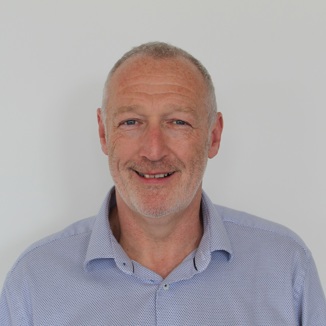
    Dave Kidd, Commercial Director Decarbonisation, Shell Catalyst Technologies
  • 12:10
    Christian Starke, Business Development & Sales Manager, Linde
  • 12:30
    MHI Case Study
  • 12:50
    Q&A
  • 12:55
    CCS and ETS Energy from Waste Panel Discussion

    Encrucyils

    James Eyton, CCUS Director, Viridor
  • 13:25
    Lunch & Networking

Sessions Three and Four

CCS Infrastructure and Transportation

Within this session we will review the infrastructure challenges for CCS and the pipeline developments needed alongside the well integrity repurposing for CCS storage within depleted oil and gas assets. Also, CCS transportation routes will be revied and discussed to utilise the current infrastructure in place which will range from CO2 shipping, rail and barges to deliver the CO2 to the storage location.

Schedule:

  • 14:05
    Chairs Opening address: : Willie Reid, Honorary Advisor for Offshore Energy Transition Programme, University of Strathclyde
  • 14:10
    Alistair Macfarlane, Head of Carbon Transportation and Storage, North Sea Transition Authority
  • 14:30
    Mike Cobble, Director of Major Projects, United Infrastructure
  • 14:50
    Snam Ravenna Project
  • 15:10
    Q & A
  • 15:20
    CCS Storage and Transportation Panel Discussion

    The panel discussion will review the UK CCS developments and best practise.

    Chris Armes. Head of Carbon Stores Development. Veri Energy Limited

    Enrique Cornejo, Head of Energy Policy, Offshore Energies UK

    John Egan , Project Director, Peak Cluster

    Keith Birch, Director, 7CO2

    Chris Smith, CCS Regulation & Stakeholder Lead, Perenco


  • 15:55
    Coffee Networking Break

CCS Economics and Workforce Challenges

With CCCS being a costly project and the commercial necessity to achieve FID is essential, we will look at commercial models on how this can be achieved. This session will review how SAF will play an integral part of energy transition, with CO2 as the feedstock for SAF production will allow chemical and petrochemical manufacturers the opportunity to decarbonise assets while creating commercial models. Another key challenge that will be needed to be addressed will be the STEAM workforce as we have an ageing workforce and competition globally for a skilled workforce.

Schedule:

  • 16:25
    Case Study
  • 16:45
    SAF CCUS Panel Discussion

    Daniel Hulbert, Head of CCUS, Low Carbon Contracts Company

    Turley

    Jim Woodger, Managing Director EMEA, LanzaTech

  • 17:05
    The need to upskill the younger workforce and educate better panel discussion

    David Eccles, Director, Hydrogen South West

    Duncan Birtwistle, Senior Project Engineer, Progressive Energy ,HyNet

    Jonathan Oxley, Senior Manager, Net Zero team, CBI

    Jude Knight, Head of Low Carbon Skills, Cogent Skills, Skills Development Scotland, EPC Contractor

    Steve Martin, Business Development Manager. 2JCP
  • 17:35
    Complimentary Drinks Reception
  • 19:30
    End of Day 1

Sessions One and Two

Hydrogen Production, Projects and Digitalisation

Hydrogen will be the key energy vector in industrial decarbonisation, with electrification not suitable for the energy demand needed for the hard to abate sectors, petrochemical and refineries. This session will review recent hydrogen projects and the importance of digitalisation, automation and AI to reduce hydrogen production costs for the future.

Schedule:

  • 9:25
    Welcome Address: Callum Flynn, Chief Executive Officer, Chameleon Energy Consultants
  • 9:25
    Chairs Welcome Address: Dan Rawdin, Chair, Energy Institute Hydrogen Committee
  • 9:30
    Christopher Jones, Head of Operational Assurance, & Dan Sadler Director of Scheme Delivery, Low Carbon Contracts Company

    "A guide for successful HAR projects entering the LCHA from the LCCC’
  • 9:30
    What lessons' have been learnt from HAR 1 & HAR 2 applications and what needs to be done to implement hydrogen production in the UK?

    Dan Sadler, Director. Scheme Delivery, Low Carbon Contracts Company
    Joshua Smith, Banking Director, National Wealth Fund
    Kim McCann, Global Head of Energy Advisory, SLR Consulting
    Neil Travers, Head of Business Development at N-Gen Energy Solutions.
    Stacey Colins, Partner Pinsent Masons – Moderator


    Pinsent Masons


  • 10:10
    Case Study
  • 10:30
    Schneider Electric Case Study
  • 10:50
    Q&A
  • 11:00
    Coffee Networking Break

Hydrogen Energy Network System Developments

This session will evaluate the developments of Project Union and the importance digital transformation and automation to enhance and smart grid balance and demand which will play an essential role in the industrial fuel switching process.

Schedule:

  • 11:45
    James Watt Consultant, WSP, & National Gas Case Study
  • 12:05
    Sikander Mahmood, Hydrogen Project Delivery Manager, Cadent Gas
  • 12:25
    Q&A
  • 12:30
    Hydrogen Grid Developments Panel

    This panel will discuss how the current gas grid needs to develop to incorporate hydrogen but also automation and digitalisation

    "What challenges & obstacles do you face while transitioning the grids energy supply and keeping a cost efficient and balanced between low and peak demands"

    Sikander Mahmood, Hydrogen Project Delivery Manager, Cadent Gas
    Grant Spence, Net Zero Energy Systems, Director
    National Energy System Operator
    James Watt Consultant, WSP
  • 13:10
    Lunch & Networking Break

Sessions Three and Four

Hydrogen Storage and Transportation & Port Energy Infrastructure

Hydrogen storage and transportation will be key factor in the acceleration of energy transition in the UK. Options discussed for storge are salt caverns, offshore well injection and onshore storage. The transportation of hydrogen to local emitters will be repurposed gas pipelines for hydrogen and transportation via rail or liquified hydrogen.

Schedule:

  • 14:15
    Chairs Welcome Address: Dan Rawdin, Chair, Energy Institute Hydrogen Committee
  • 14:20
    Femi Omoniyi. Net Zero Hub Project Manager, West Yorkshire Combined Authority
  • 14:40
    Ian Livingston, Asset Manager, Equinor
  • 15:00
    Q&A
  • 15:05
    Hydrogen Storage & Transportation Panel Discussion

    What opportunities challenges & obstacles exist for hydrogen and transportation in the UK "

    Erica Brown, Head of Policy, Future Energy Networks
    Ian Livingston, Asset Manager, Equinor
    Camila Blanco, Hydrogen Project Manager Northern Gas Networks
    SLR Consulting


    SLR Consulting

  • 15:40
    What do ports and industry need to do to enhance energy transition panel and how will CBAM effect this"
    ABP Ports
    PD Ports
  • 16:10
    End of Conference

Port Energy Transition Infrastructure

With many ports across the UK now enabling energy transition, this session will review the opportunities for the UK to export or import ammonia, liquified hydrogen or methanol as a hydrogen carrier. The session will discuss the infrastructure that is needed to support CCS transportation and what challenges need to be addressed to support energy transition and decarbonisation.

Schedule:

  • 15:35
    "What do ports and industry need to do to enhance energy transition panel and how will CBAM effect this"

    ABP Ports

    PD Ports
  • 16:15
    End of conference

Speakers

All speakers are invited unless stated confirmed

Event Sponsors

Gold Sponsors

Silver Sponsors

Bronze Sponsors

Contact Us

If you would like to know more about any of our events, from attendance to sponsorship opportunities you can get in touch using any of the details or the contact form below.

Contact Information

Say something to start a live chat!